TAPCO Model From Seeds to Sovereignty: How a Wayanad FPO is Rewriting India’s Rice Story
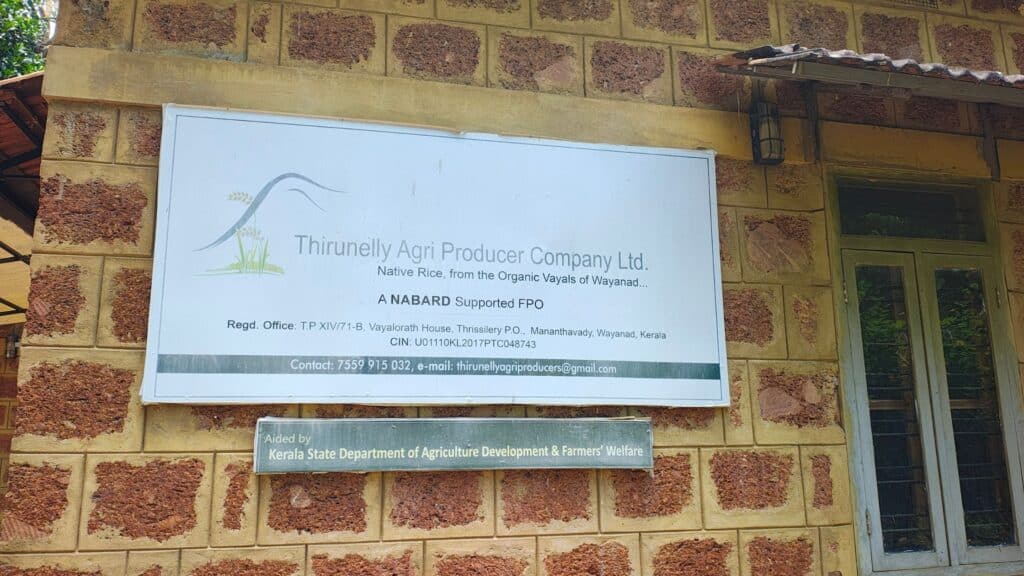
In the lush landscapes of Wayanad, where rice is not just a crop but a cultural identity, the Thirunelly Agri Producer Company Ltd (TAPCO) stands as a powerful example of how Farmer Producer Organisations (FPOs) can go beyond aggregation and become custodians of ecology, culture, and farmer dignity.
During a recent visit, interactions with CEO Rajesh Krishnan and the leadership team revealed a deeply rooted, systems-based approach to farming, one that blends agroecology, traditional wisdom, and market innovation.
TAPCO Model–Reviving a Dying Heritage: The Story of Desi Rice
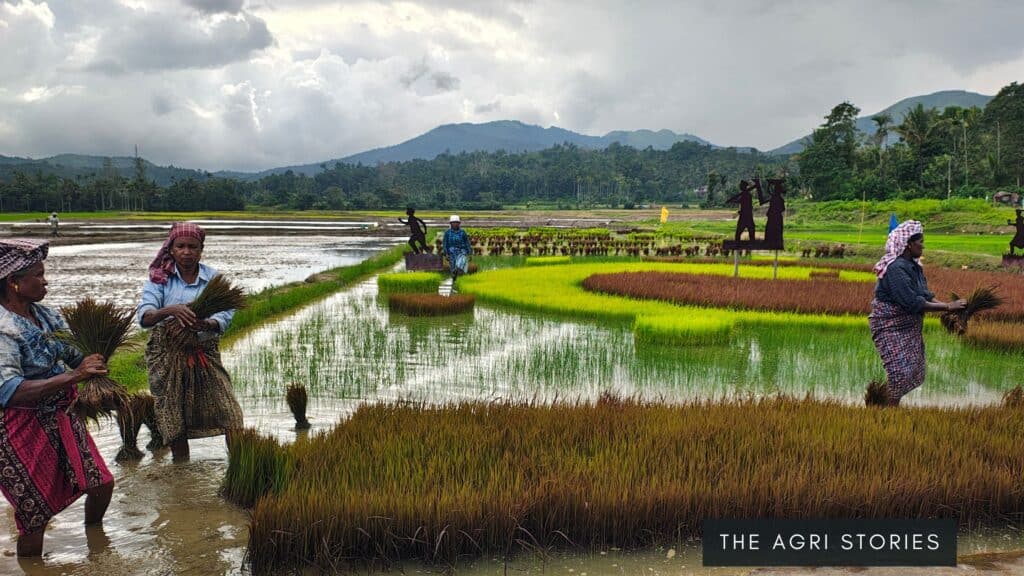
Wayanad’s indigenous rice varieties are woven into its traditions, festivals, and food systems. Yet, over time, paddy cultivation in the Thirunelly region has sharply declined—from nearly 3000 acres to around 1100 acres.
The reasons are familiar across India:
- Lack of fair pricing for farmers
- Increased dependency on chemical inputs
- Weak policy support for traditional varieties
TAPCO stepped into this crisis not as a buyer, but as a revival movement.
Today:
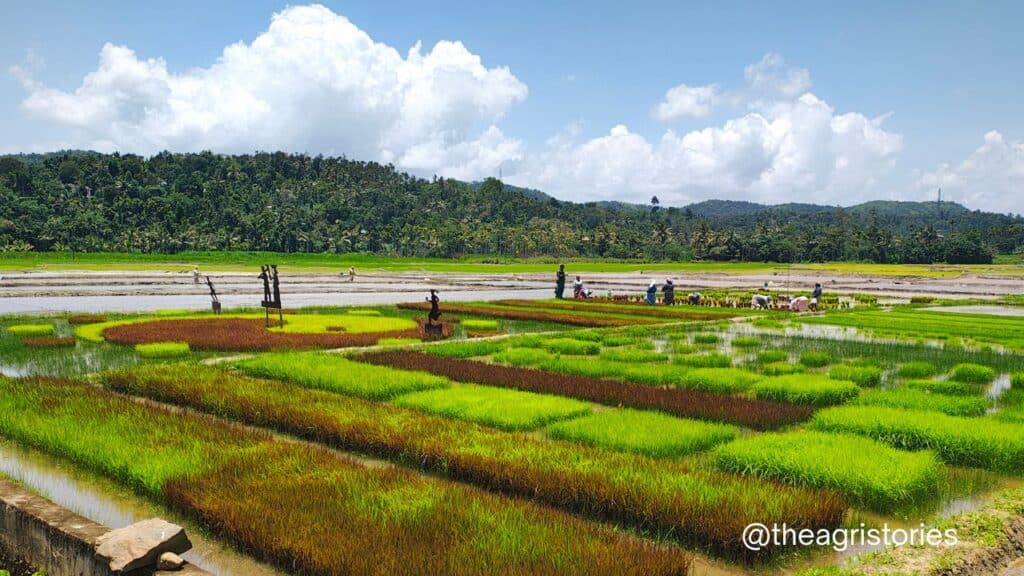
80 indigenous rice varieties are being cultivated
A unique tradition: each year, one new variety is added—symbolically linked to India’s years of independence
Strong cultural positioning of rice as heritage food, not just commodity.
This is not merely agriculture—it is cultural restoration through agroecology.
Agroecology in Action: Beyond Organic Farming
TAPCO’s approach is deeply aligned with agroecological principles—integrating ecology, economy, and community:
1. In-Situ Seed Conservation
Over 300 traditional varieties conserved at the agroecology centre
Farmers act as custodians of biodiversity
Seed sovereignty ensures independence from external inputs
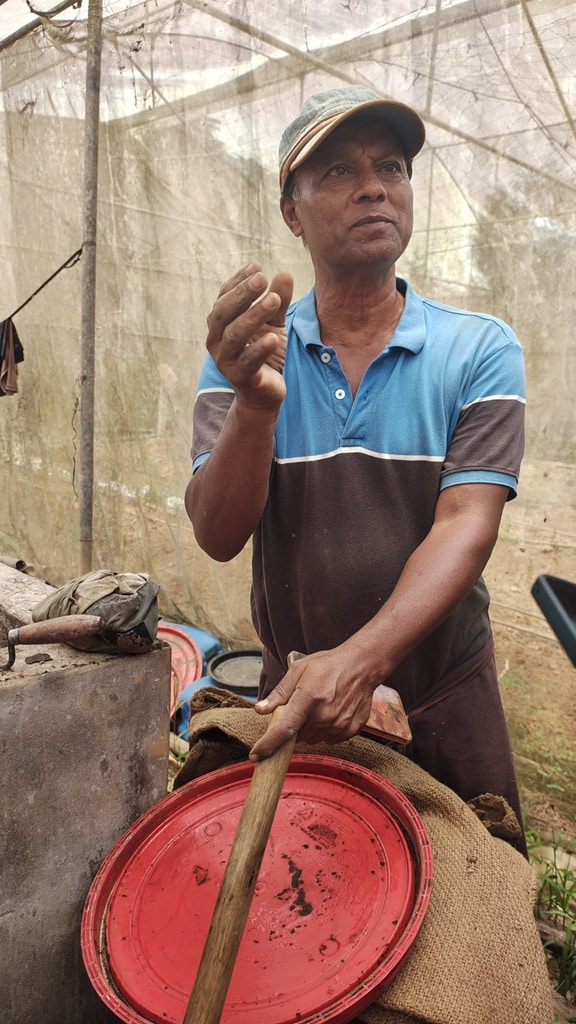
2. Bio-Resource Centre (BRC)
Supported under the Government of India’s Natural Farming Mission:
Produces ~30 tonnes compost annually
Inputs sold to farmers at ₹15/kg
Prepares: Panchagavya, Jeevamrut, Neem-based biopesticides
Inputs made from local biomass like banana trunks, coffee husk, coir pith, gliricidia, cow dung—closing nutrient loops.
3. Climate-Smart Farming
Farm-level rain gauges installed with GPDP funds (₹4 lakh support)
Weekly weather advisories
Crop calendar released every April
Adaptive irrigation using springs and canal water during rainfall deficit
This is data-driven agroecology, where local knowledge meets micro-climate intelligence.
Related Post: Climate Change to Climate Resilience: A Community-Driven Model by the Hume Centre in Wayanad
Farmer-Centric Economics: A Fair and Transparent Model
TAPCO challenges one of the biggest failures in agriculture—pricing injustice.
Unique Procurement System:
Price based on:
Cost of cultivation
Variety-specific value
Farmers receive: ₹35/kg to ₹60/kg depending on variety
Payments cleared within 1–2 days
This ensures:
- Trust in the institution
- Financial stability for farmers
- Incentive to continue traditional cultivation
From just 10 farmers in 2016 (with NABARD support) to 124 farmers today, the growth reflects credibility and impact.
Market Linkages with Integrity
Connected to 65+ retailers across Kerala
Focus on story-based marketing of rice varieties
Rice Processing unit established in 2020 with Agriculture Department support
Unlike commodity markets, TAPCO sells: Nutrition, Tradition & Sustainability
Leadership Rooted in Values
The leadership reflects commitment beyond profit:
CEO: Rajesh Krishnan—visionary in agroecology and FPO development
Chairman: Mr. Johnson, a former teacher who chose farming as a life mission
This transition—from profession to purpose—defines TAPCO’s ethos.
Lessons for Policy Makers, FPOs & Civil Society
TAPCO is not just a success story—it is a replicable framework.
- Seed Sovereignty is Central
- Protect farmer varieties through community-led conservation
- Agroecology is Scalable
- With institutional support, it can replace chemical farming systems
- Pricing Must Be Reformed
- Link procurement to cost of cultivation and crop diversity
- Decentralized Climate Intelligence Works
- Rain gauges + local advisories = resilient farming
- FPOs Must Go Beyond Trading
- Become ecosystem builders—inputs, knowledge, markets
The Way Forward: From Wayanad to India
At a time when agriculture faces climate stress, biodiversity loss, and farmer distress, TAPCO offers a holistic alternative:
- Farming that respects nature
- Markets that respect farmers
- Systems that respect tradition
For regions like Koraput—rich in millets and traditional crops—the lessons are deeply relevant. The integration of seed banks, women-led institutions, and agroecological practices can transform rural economies.
Closing Thought
TAPCO reminds us that the future of agriculture does not lie in reinventing everything but in rediscovering, restoring, and respecting what already exists.
When farmers control seeds, soil, and markets—true sustainability begins.
Author: Tapas Chandra Roy, Block Agriculture Officer, DA&FE, Govt. of Odisha. Documenting and disseminating success stories of farmers to inspire millions of farmers across India.
If you wish to submit any inspiring stories of farmers, you can send them to this email address: [email protected]. Please ensure your submission includes a Word document and high-resolution photographs.